
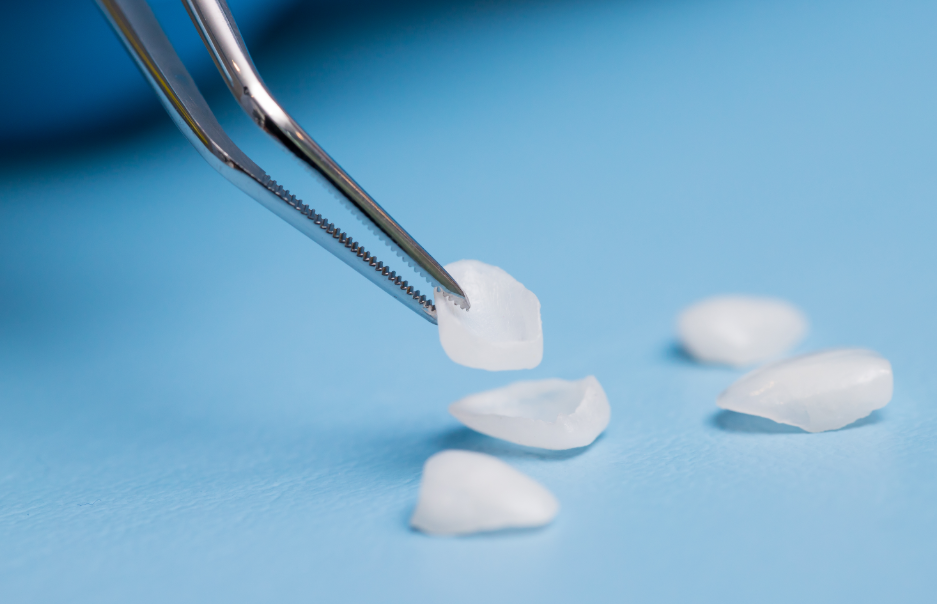
Getting veneers is an exciting step toward creating the smile you’ve been hoping for. However, there’s usually a short waiting period between preparing your teeth and receiving your permanent veneers. During this time, your dentist may place temporary veneers over your prepared teeth. While they may only be temporary, these restorations serve several important purposes during your treatment.
They Protect Your Prepared Teeth
One of the most important jobs of temporary veneers is protecting your teeth. Depending on how much enamel is removed during preparation, your teeth may become more sensitive to hot, cold, air, or sweet foods and drinks.
Temporary veneers provide a protective barrier over the prepared surfaces, helping reduce discomfort while you wait for your permanent restorations. They can also help protect the underlying tooth structure from everyday wear and exposure.
They Help You Get Used to Your New Smile
Temporary veneers can give you an opportunity to experience what it’s like to have veneers before your permanent restorations are placed. You can get a sense of how the veneers look when you smile and speak and how they feel in your mouth.
This period can also help your dentist evaluate the appearance and function of your planned veneers. If something about the shape, size, or appearance doesn’t feel quite right, you may have an opportunity to discuss potential adjustments before the permanent veneers are finalized.
They Help Maintain Your Bite
Your teeth don’t work independently. They come together in a specific way when you chew, speak, and close your mouth. Temporary veneers can help maintain your bite and tooth positioning while you’re waiting for your permanent restorations.
This is particularly important because your dentist wants your final veneers to fit comfortably and function properly alongside your natural teeth.
What Do Temporary Veneers Feel Like?
It’s normal for temporary veneers to feel a little different from your natural teeth. They may initially feel unfamiliar, and your teeth may be more sensitive than usual after preparation.
You may also notice differences in how your teeth come together when you bite. These sensations typically become less noticeable as you get accustomed to your temporary restorations.
If your temporary veneers feel excessively uncomfortable, interfere with your bite, or seem loose or damaged, contact your dentist. Don’t try to adjust or repair them yourself.
Take Care of Your Temporary Veneers
Temporary veneers aren’t as durable as permanent restorations, so you’ll want to treat them with some extra care. Avoid particularly hard or sticky foods, and try not to bite directly into hard objects or use your teeth to open packages.
Continue brushing and flossing as directed by your dental team. When flossing around temporary veneers, follow your dentist’s instructions so you don’t accidentally pull a temporary restoration loose.
Your Temporary Veneers Have an Important Job
Although you’ll only wear temporary veneers for a limited time, they’re an important part of the veneer process. They protect your prepared teeth, help manage sensitivity, provide a preview of your new smile, and help ensure your final restorations are comfortable and functional.
A little patience during this temporary stage can help set the foundation for a beautiful, long-lasting result.
About the Practice
Dentist Tampa provides comprehensive dental care, including cosmetic dentistry and porcelain veneers for patients who want to improve the appearance of their smiles. Dr. Elikofer and Dr. Sheffield focus on personalized treatment and creating natural-looking results while helping patients feel comfortable throughout their dental experience.
Call us at (813) 972-9077 or schedule your appointment online.